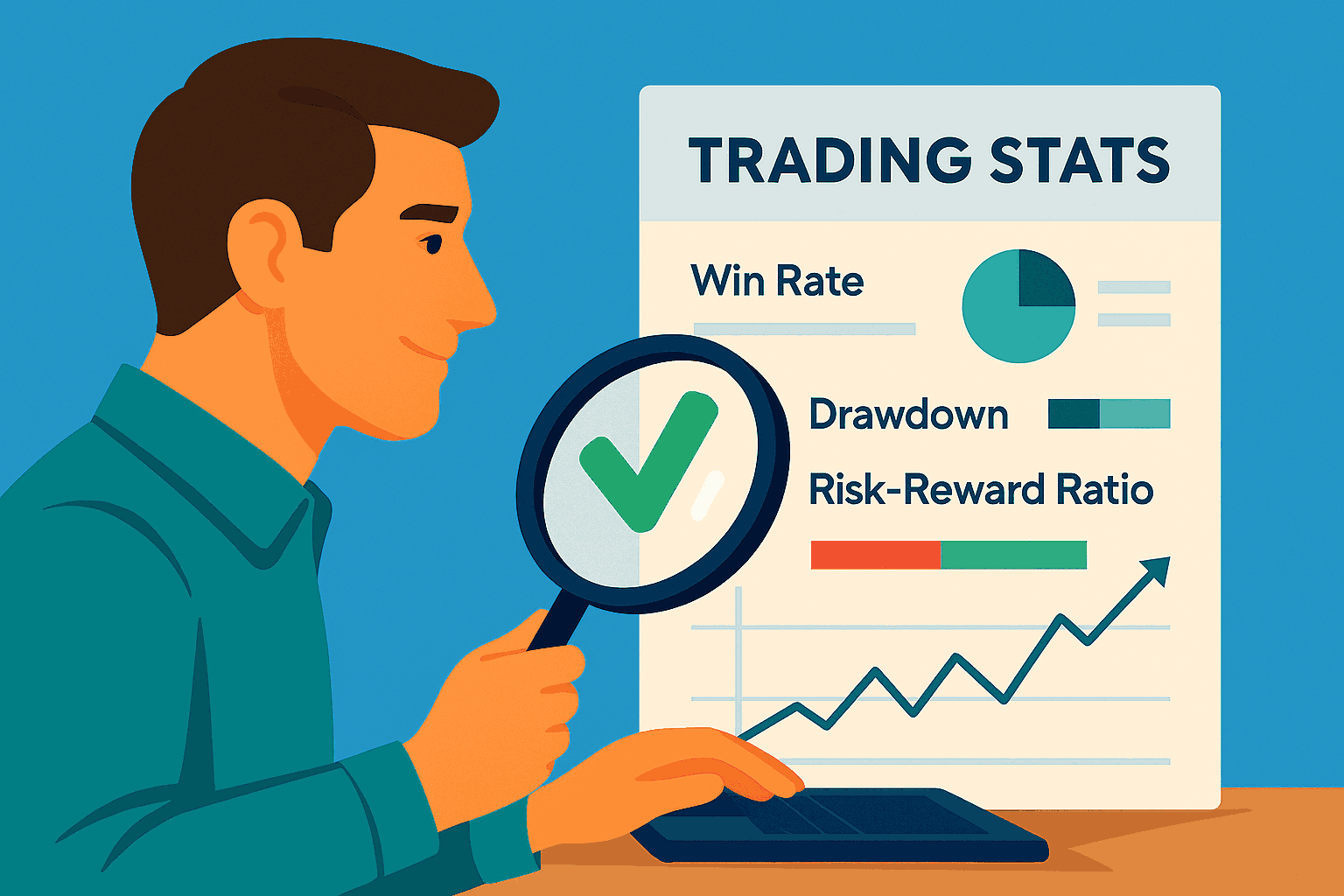
When evaluating Forex signal providers, transparency in signal performance reviews is one of the most critical factors to consider. With countless providers advertising high win rates and promising consistent profits, traders often face the challenge of distinguishing legitimate services from misleading claims. Transparency in signal performance reviews serves as a filter, enabling traders to make informed decisions and avoid financial losses.
What Transparency Means in Signal Reviews
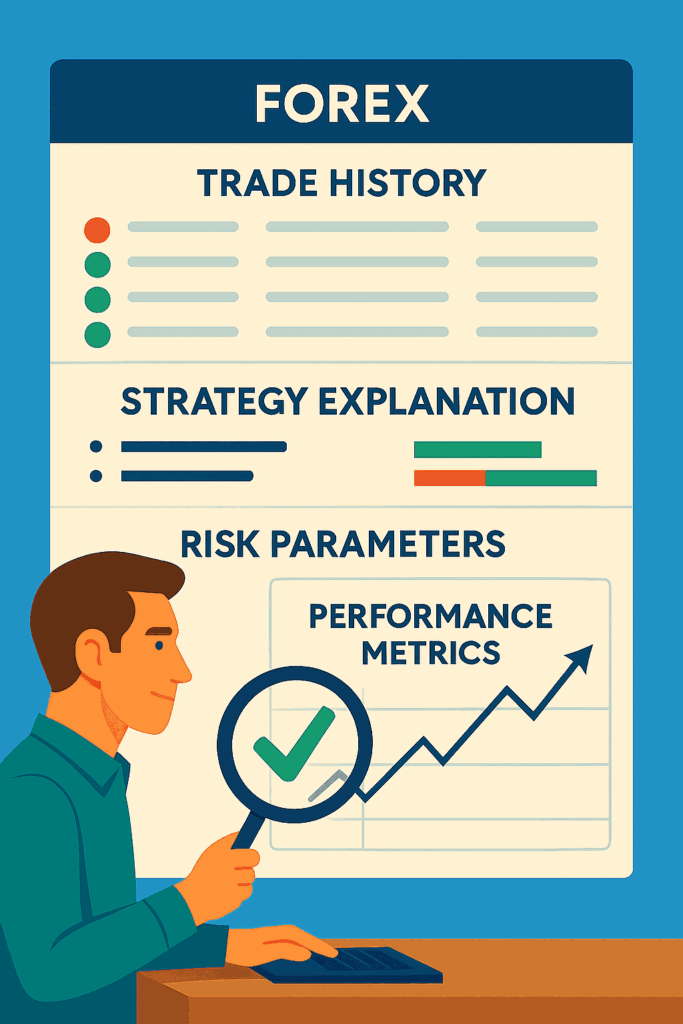
Transparency in this context refers to the availability of verifiable, detailed information about a provider’s trading performance. This includes documented track records, clear explanations of strategies, risk management practices, and the context of wins and losses. Transparent reviews should provide insights into the methodology behind the signals, not just numerical results.
A transparent signal provider will openly share both successful trades and losing ones, along with metrics such as drawdown, risk-reward ratio, and trading frequency. This level of openness allows traders to assess whether the signals align with their risk tolerance and trading style.
Why Lack of Transparency Is Risky
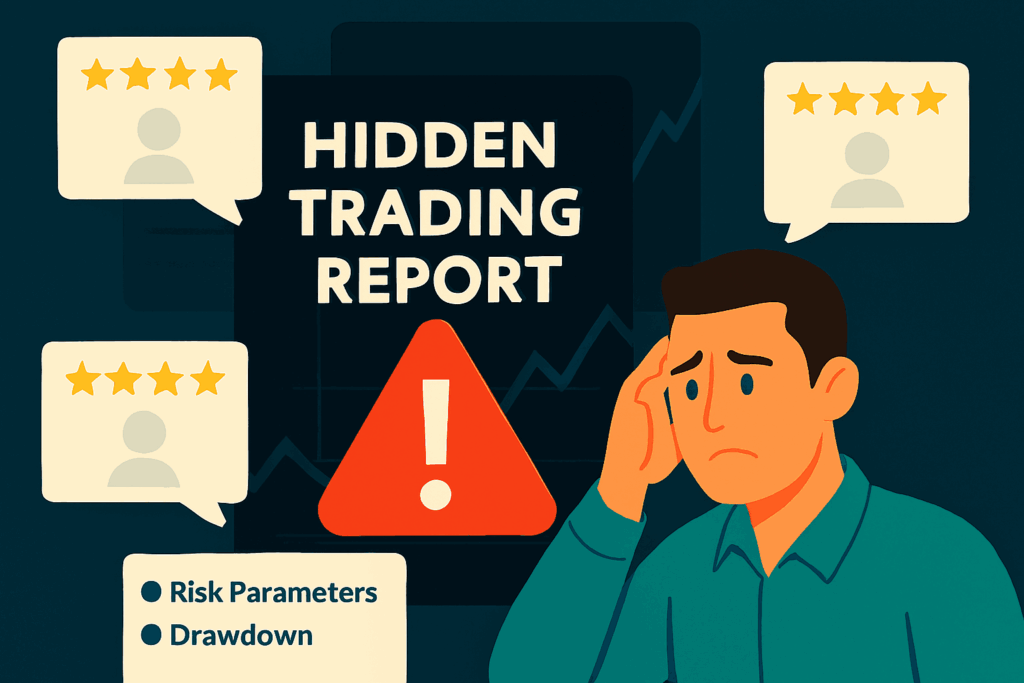
Signal services that lack transparency are inherently risky. Without verifiable evidence of performance, traders have no way of knowing whether the reported results are genuine or fabricated. Many unreliable providers rely on flashy marketing, fake testimonials, and cherry-picked trades to lure subscribers. This can lead to unexpected losses and erode trader confidence.
Opaque reviews also prevent traders from understanding the context of trades. For example, a series of profitable trades may have involved high risk or unsustainable leverage, which isn’t apparent without detailed reporting. Transparent reviews prevent these hidden dangers from being overlooked.
How to Identify Transparent Reviews
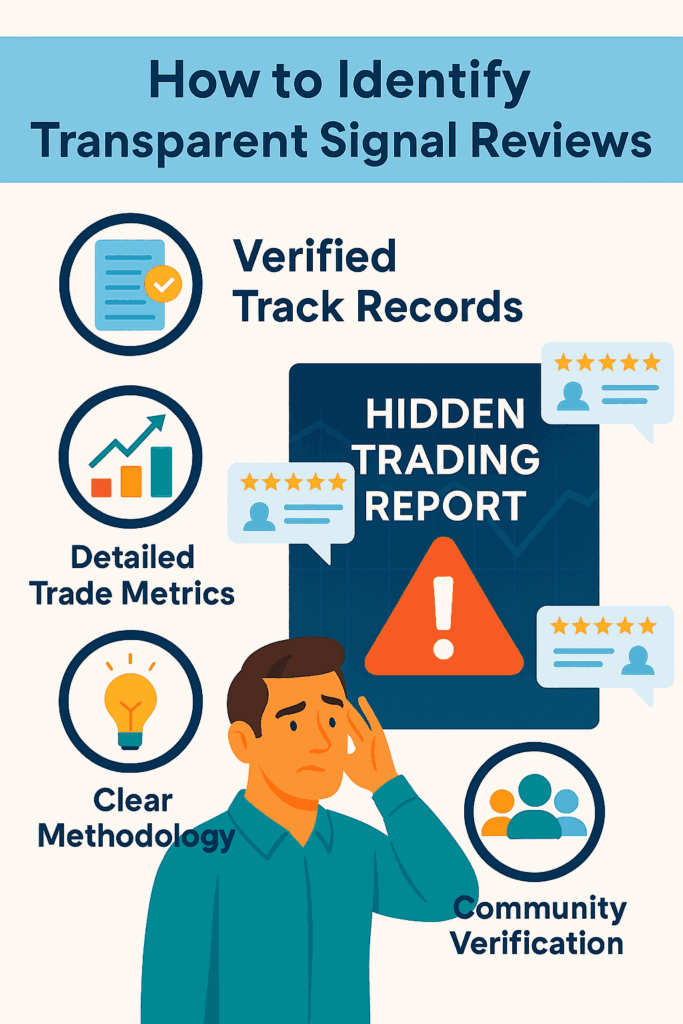
- Verified Track Records: Look for accounts linked to independent platforms like MyFXBook, FXBlue, or broker statements. Verified performance ensures that results are authentic.
- Detailed Trade Metrics: Transparent reviews include data on win/loss ratios, drawdowns, average trade duration, and risk per trade. Metrics should provide a complete picture, not just highlight profits.
- Clear Methodology: Providers who explain how signals are generated whether through technical analysis, fundamental news, or algorithmic models demonstrate credibility.
- Balanced Reporting: Genuine reviews cover both successes and failures. One-sided narratives are often a sign of bias or manipulation.
- Community Verification: Insights from active trading communities, forums, or social media groups can help validate the accuracy of reviews.
Best Practices for Traders

Even when reviews appear transparent, always verify data and test signals on a demo account before committing real funds. Keep a record of your own trades and compare them with the provider’s historical performance. Over time, transparency allows you to differentiate between providers who genuinely add value and those who simply market hype.
Conclusion

Transparency in Forex signal performance reviews is not just a nice-to-have; it is essential for making informed trading decisions. By prioritizing verified results, clear methodologies, and balanced reporting, traders can reduce risk, select trustworthy providers, and increase the likelihood of consistent returns. The more open and detailed the review, the more reliable the signal service is likely to be.