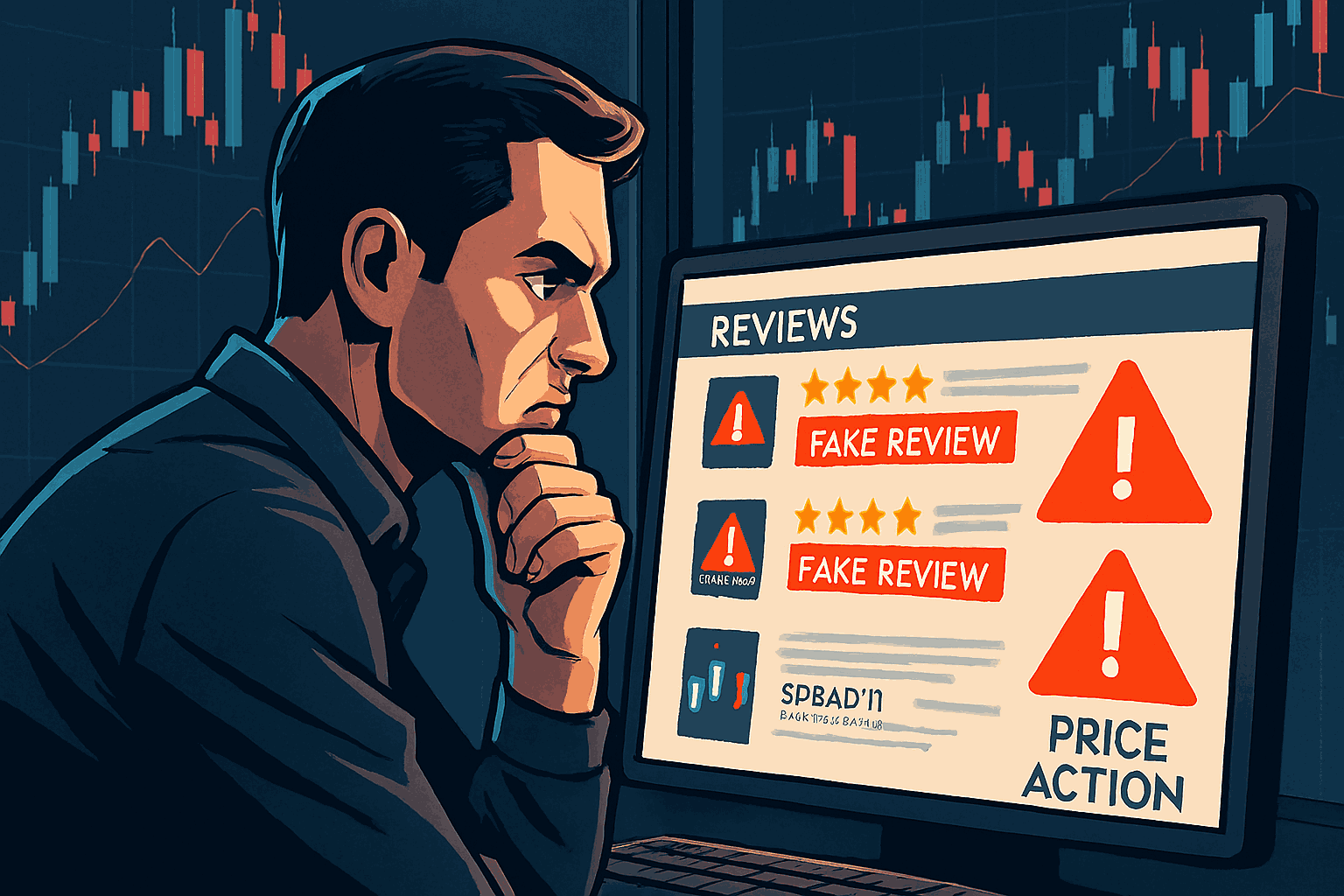
With the growing popularity of Forex signal services, traders often rely on online ratings and reviews to choose providers. However, the proliferation of fake signal ratings can mislead traders, causing them to pay for unreliable or low-quality services. Identifying these deceptive ratings is critical for protecting your capital and maintaining a consistent trading edge.
Why Fake Ratings Exist

Fake ratings are a marketing tool used by some signal providers to inflate their reputation. They can be posted on social media, broker review platforms, or independent forums. Some providers also use automated bots to leave glowing reviews or commission “paid testimonials” that exaggerate performance. The goal is simple: attract more subscribers and appear credible without demonstrating actual results.
Fake ratings are especially common for new providers or those offering unrealistic promises, such as guaranteed profits or extremely high win rates. Traders who fail to verify these ratings risk subscribing to services that do not provide actionable signals, often resulting in financial losses.
Key Signs of Fake Ratings
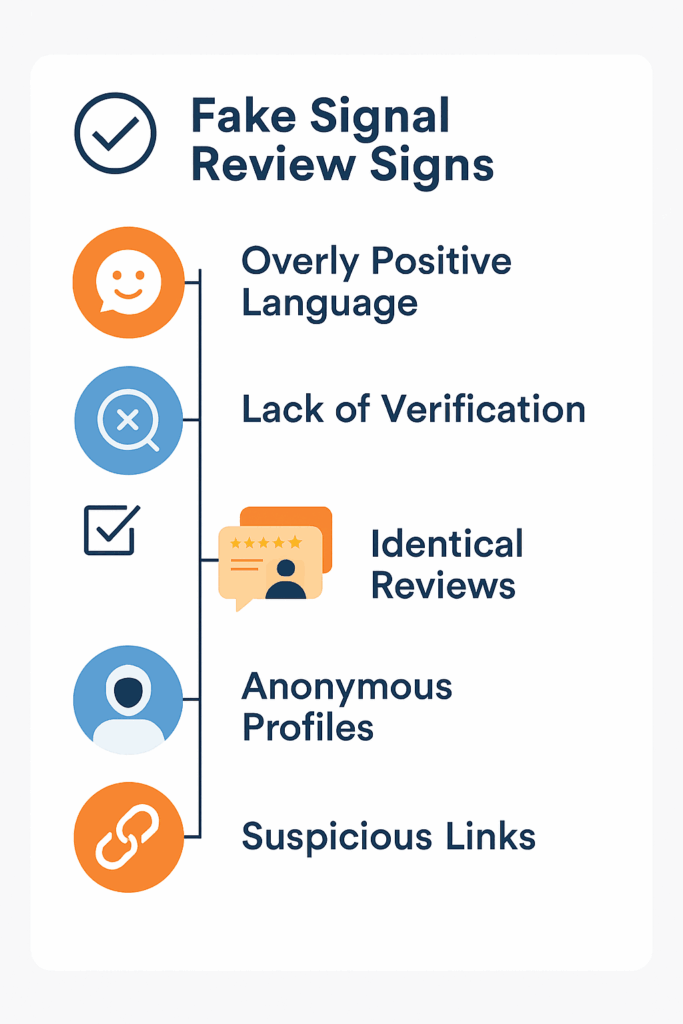
- Overly Positive Language: If most reviews use excessively positive language without specific details, it may indicate artificial promotion. Phrases like “best ever” or “100% guaranteed” are common red flags.
- Lack of Verification: Legitimate providers often link to verified performance accounts on platforms like MyFXBook or FXBlue. Absence of verifiable data can indicate fabricated success.
- Repetitive Review Patterns: Fake reviews often follow similar wording or appear in batches within a short timeframe. Check for multiple reviews posted on the same day with identical phrasing.
- Anonymous or Generic Accounts: Reviews from accounts without a history, profile picture, or social credibility may be suspicious. Genuine traders usually leave identifiable feedback with context.
- Suspicious External Links: Ratings that encourage visiting external sites without offering verifiable proof can be a scam tactic. Always confirm performance through independent sources.
Steps to Verify Signal Ratings
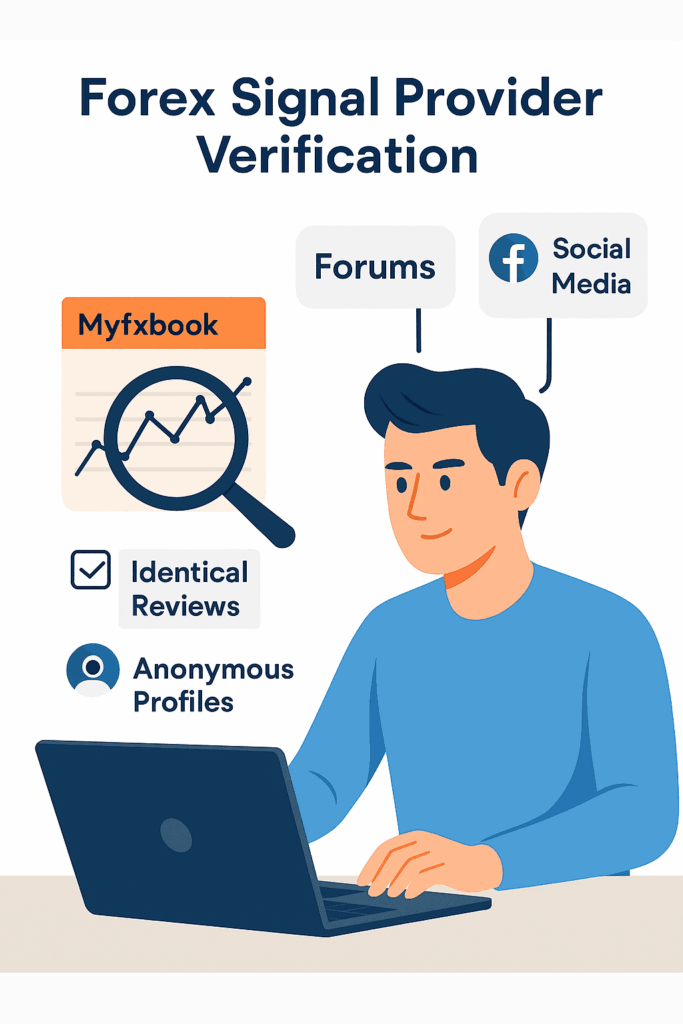
- Cross-Check Multiple Platforms: Compare ratings across forums, independent review sites, and social media. Discrepancies can indicate unreliable feedback.
- Request Verified Performance: Ask providers for proof of their past signals, preferably in the form of tracked accounts on MyFXBook or FXBlue.
- Evaluate Transparency: Legitimate providers explain their strategies, risk management, and historical performance. Lack of transparency is a red flag.
- Check Community Discussions: Active trading communities often expose fake providers. Participating in forums can help identify trustworthy signal sources.
Best Practices

Even when you find a highly rated signal service, treat reviews as one part of your evaluation. Start with a demo or low-risk account to test signals yourself. Maintain disciplined risk management and avoid investing large sums based solely on online ratings. Consistent success comes from verified performance, disciplined execution, and careful provider selection rather than relying on star ratings.
Final Thoughts

In an era where online marketing can easily mislead, spotting fake Forex signal ratings is crucial. By recognizing warning signs, cross-verifying performance, and using independent data, traders can protect themselves from scams and make informed choices. Knowledge, due diligence, and skepticism are your best tools to separate credible signal providers from those that are merely creating an illusion of success.