
In the world of Forex trading, signal providers have become essential tools for traders looking to save time, learn from experts, or even generate semi-passive income. However, not all providers are created equal. Choosing a reliable Forex signal provider requires careful evaluation of several key factors, from historical accuracy to transparency and risk management practices. This review dives into what separates dependable providers from those that can mislead traders.
Accuracy and Track Record
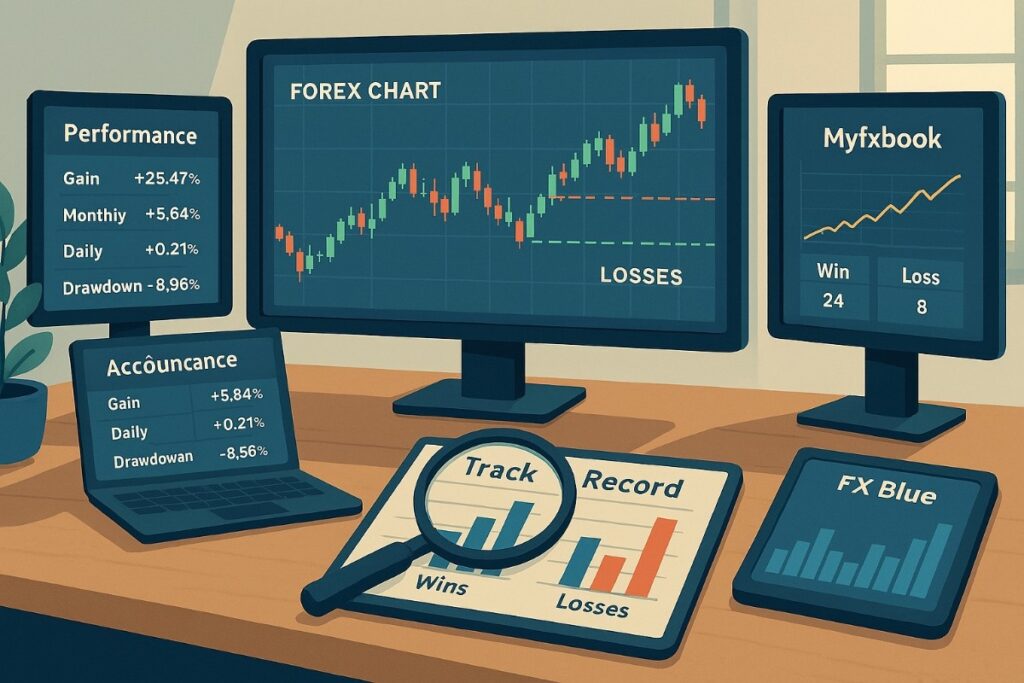
A reliable Forex signal provider must have a proven track record of consistent performance. Accuracy is critical traders should look for providers who regularly post verified results on platforms like MyFXBook or FXBlue. Transparency about past performance, including both wins and losses, demonstrates credibility. Providers claiming unrealistic win rates, such as 90–100% success, are often overstating results and should be approached with caution.
Transparency and Communication
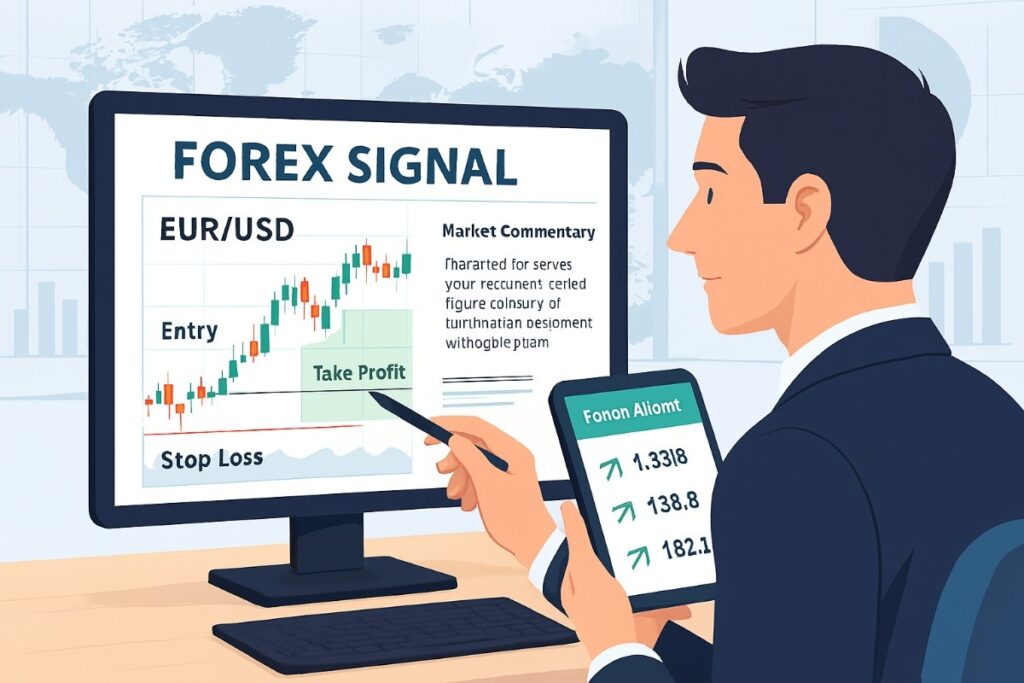
Trustworthy providers openly communicate the logic behind their signals. This includes entry and exit points, stop-loss and take-profit levels, and the underlying strategy. Providers that hide information or deliver vague signals can lead to poor decision-making and unnecessary losses. Good signal providers often include detailed market commentary, helping traders understand why a trade is suggested rather than blindly following instructions.
Risk Management Approach
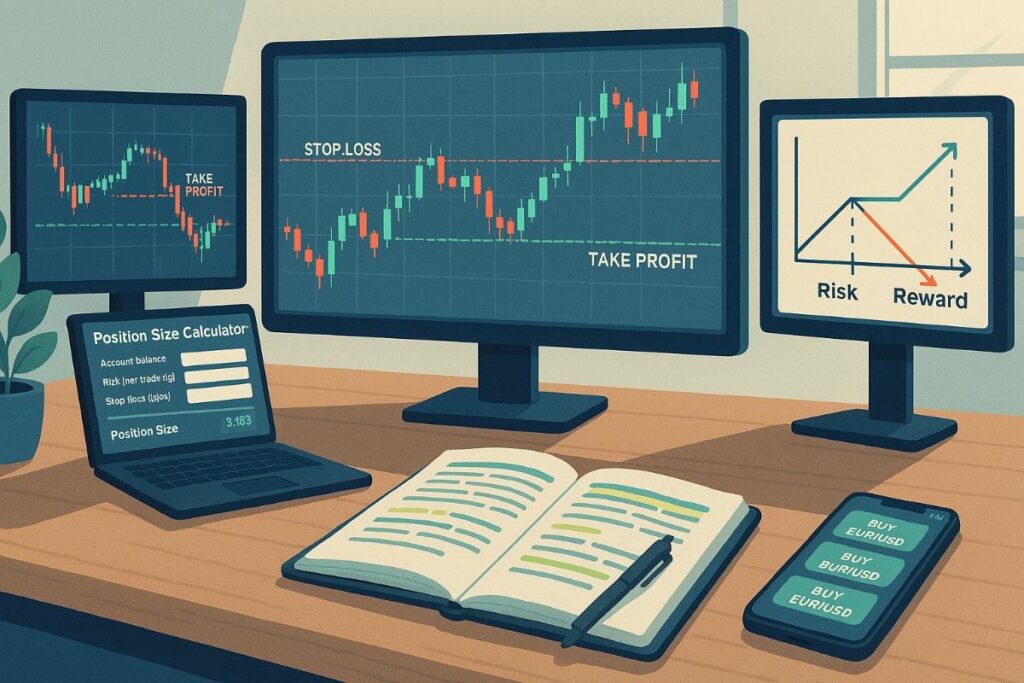
Reliable signal providers emphasize risk management. This includes appropriate position sizing, stop-loss placement, and risk-to-reward ratios. Providers who suggest trades without highlighting potential losses are risky and should be avoided. A strong provider will recommend risk per trade in line with your account size, ensuring long-term survival in volatile markets.
Delivery Methods and Platforms
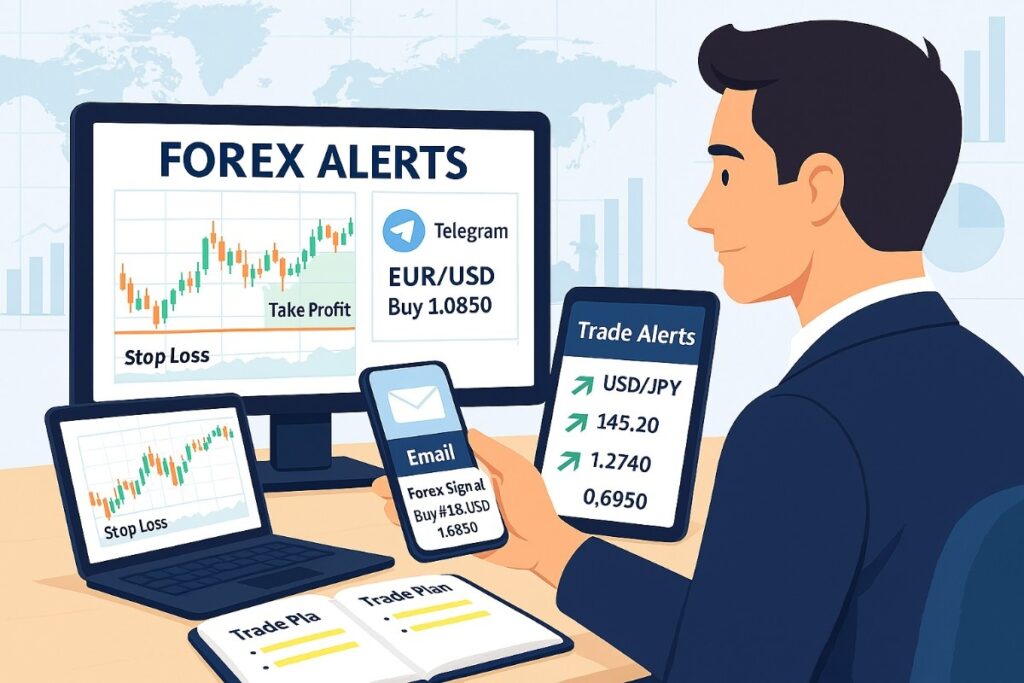
Ease of access is another factor to consider. Reputable providers deliver signals through multiple platforms such as Telegram, email, or integrated trading apps and in real time. Alerts should be immediate and actionable, giving traders the opportunity to execute trades without delay. Providers with delayed signals or poor notification systems can cause missed opportunities or additional risk.
Support and Education
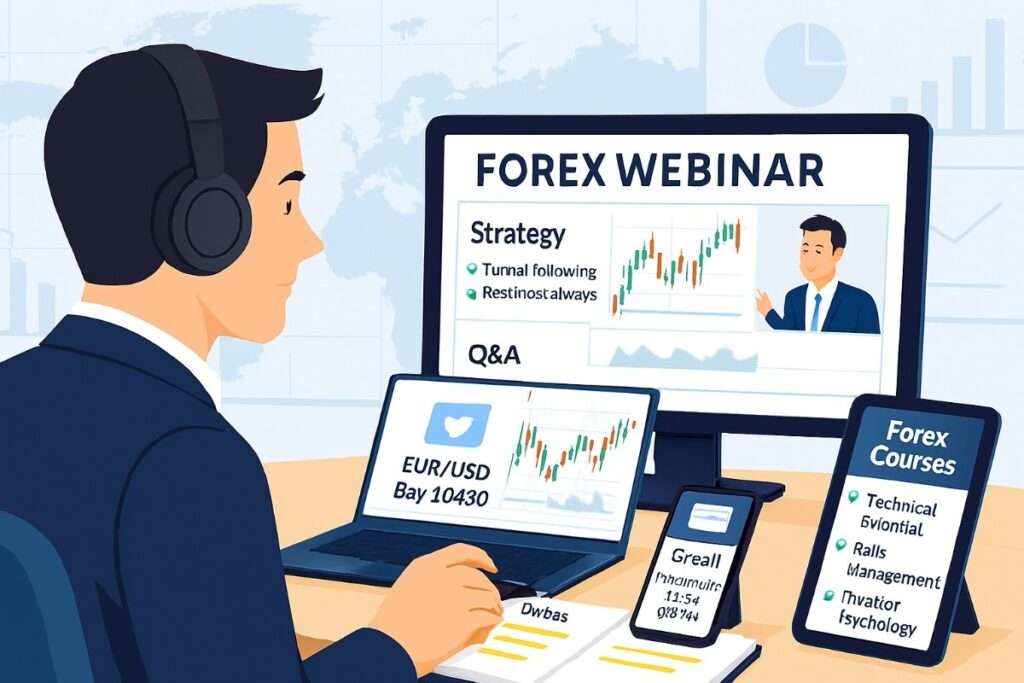
The best signal providers also offer educational resources and support. This might include webinars, strategy explanations, or Q&A sessions. Providers committed to helping traders improve their skills create more value than those simply sending trade alerts. Learning the reasoning behind signals helps traders build confidence and reduces reliance on automation alone.
Pricing and Value
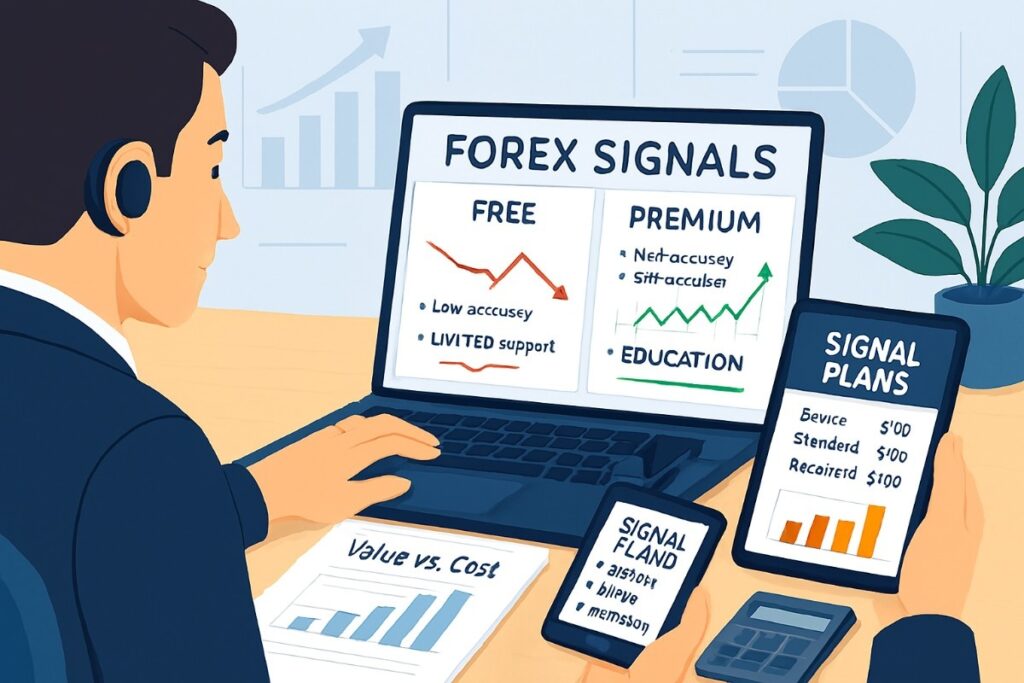
Cost is another consideration. Paid signals often provide better accuracy and more comprehensive support than free options, but price alone is not enough. Reliable providers justify their fees with consistent performance, transparent reporting, and educational support. Conversely, very cheap or “free forever” services may lack proper research or be driven by marketing rather than results.
Final Verdict
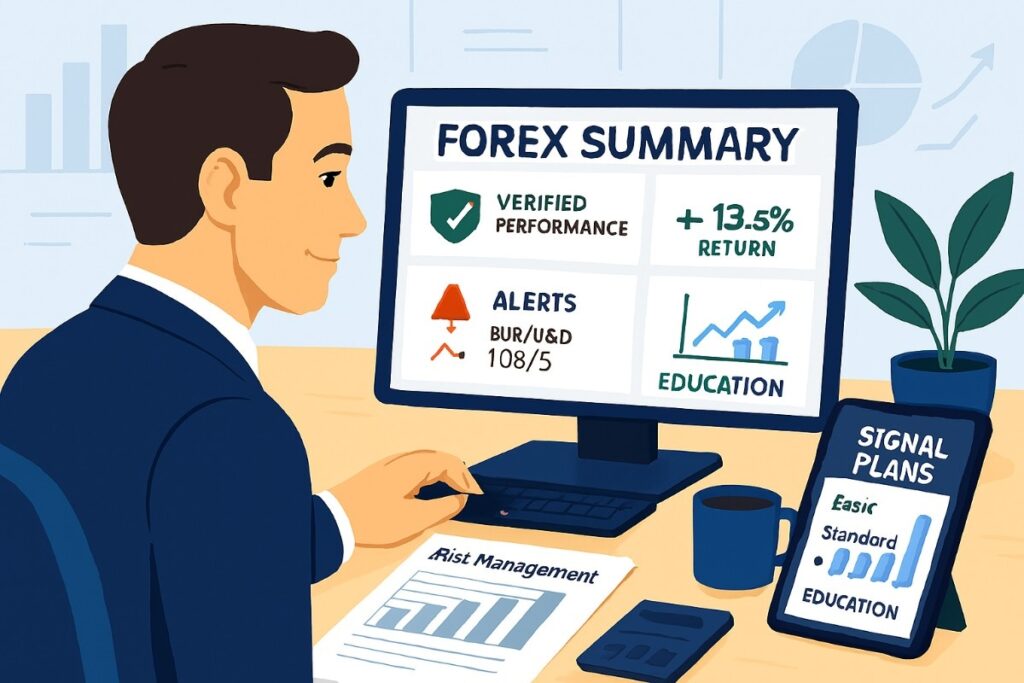
A dependable Forex signal provider combines transparency, accuracy, strong risk management, real-time delivery, and educational support. Traders should verify performance with independent tracking, understand the rationale behind each signal, and use signals as part of a broader trading strategy. Avoid providers who promise unrealistic returns, hide critical information, or neglect risk management principles. By carefully selecting a provider based on these factors, traders can improve decision-making, protect capital, and increase their chances of achieving consistent profits in the Forex market.