
Tracking Forex signals consistently over an extended period provides insights that short-term results often miss. This case study, titled Lessons Learned from 30 Days of GBP/JPY Signal Tracking, summarizes patterns, performance, and key takeaways for traders who want to improve discipline and results.
Setting Up the Tracking System
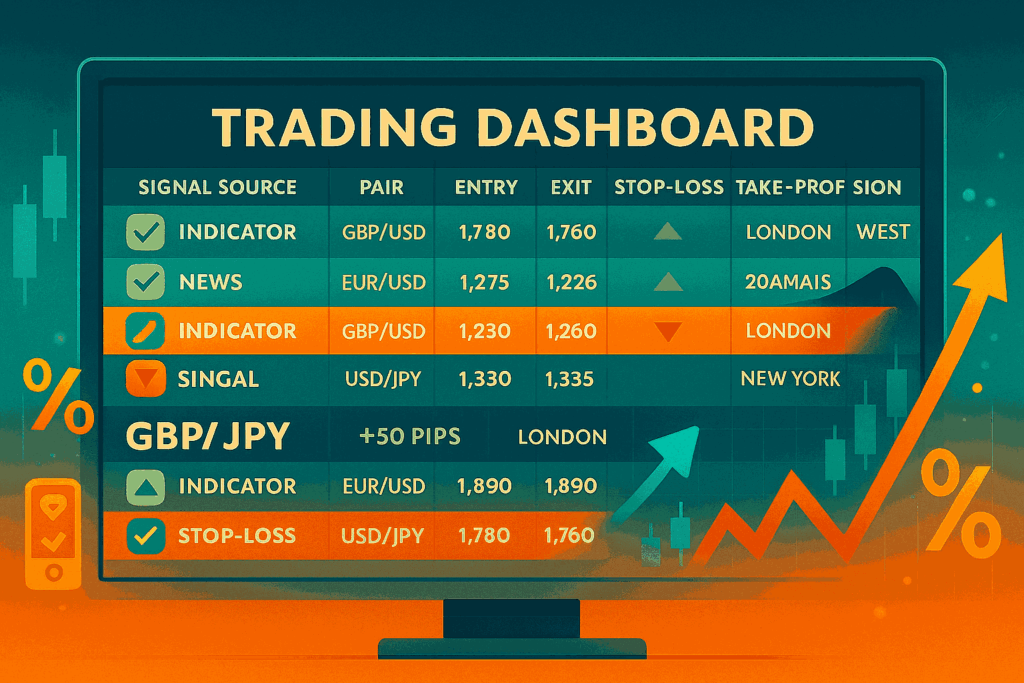
For this 30-day period, the trader maintained a detailed log, capturing the following for each GBP/JPY signal:
- Signal source and type (technical or fundamental)
- Entry, stop-loss, and take-profit levels
- Position size and risk-reward ratio
- Market session (Tokyo, London, New York)
- Economic context or news catalysts
- Trade outcome and notes on execution
This structure ensured that no detail was overlooked, allowing for meaningful post-analysis.
Performance Overview
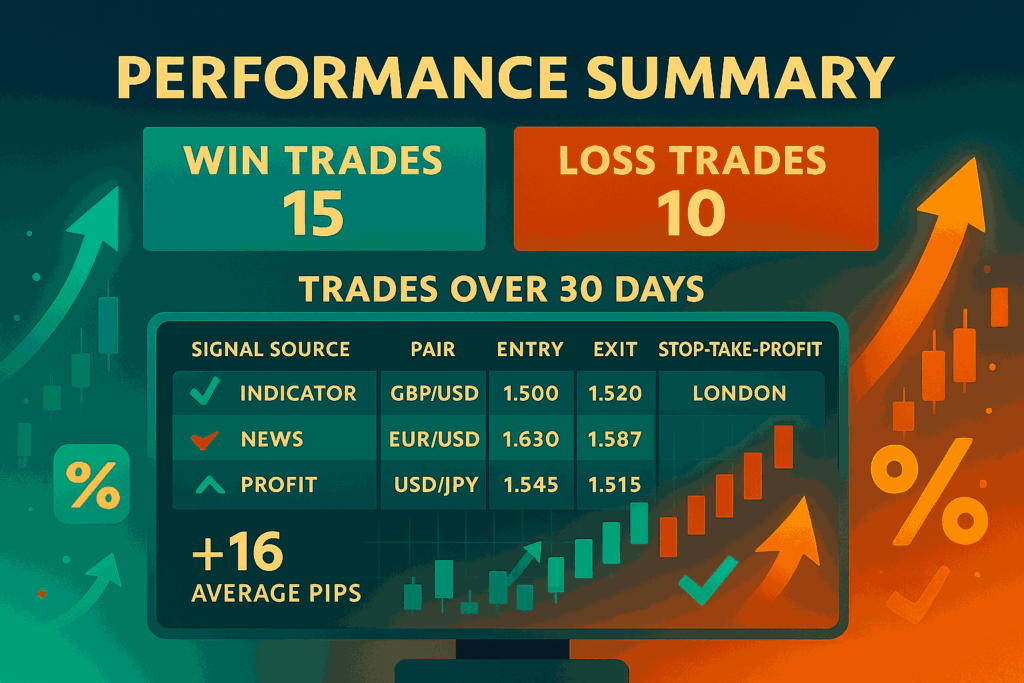
Over 30 days, the tracked signals provided the following insights:
- Total signals received: 45
- Trades executed: 40 (skipping low-confidence signals)
- Winning trades: 25
- Losing trades: 15
- Average profit per winning trade: 55 pips
- Average loss per losing trade: 30 pips
By quantifying results, it became clear that strictly following risk-reward guidelines led to a positive expectancy despite occasional losses.
Key Lessons Learned

- Quality Over Quantity: Not every signal is worth taking. Filtering for high-probability setups significantly improved outcomes. Skipping 5 lower-confidence signals prevented unnecessary drawdowns.
- Session Timing Matters: Most winning trades occurred during the London session, where GBP/JPY liquidity and volatility were optimal. Signals during the Tokyo session produced mixed results due to lower activity.
- Risk Management is Non-Negotiable: Trades that strictly adhered to stop-loss and position-sizing guidelines had smaller drawdowns and maintained account stability. Over-leveraging on a few trades would have nullified gains.
- Patterns and Reactions: Tracking for 30 days revealed recurring behaviors, such as GBP/JPY reacting sharply to UK inflation announcements and US economic surprises. Recognizing these patterns helped anticipate potential signal reliability.
- Emotional Discipline: Logging trades daily reduced impulsive decision-making. Reviewing outcomes objectively allowed the trader to focus on performance metrics rather than individual wins or losses.
- Signal Provider Reliability: Evaluating multiple signals from a single provider over 30 days allowed assessment of consistency, accuracy, and timing. This is crucial for traders relying on semi-passive income streams.
Applying Insights for Future Trading
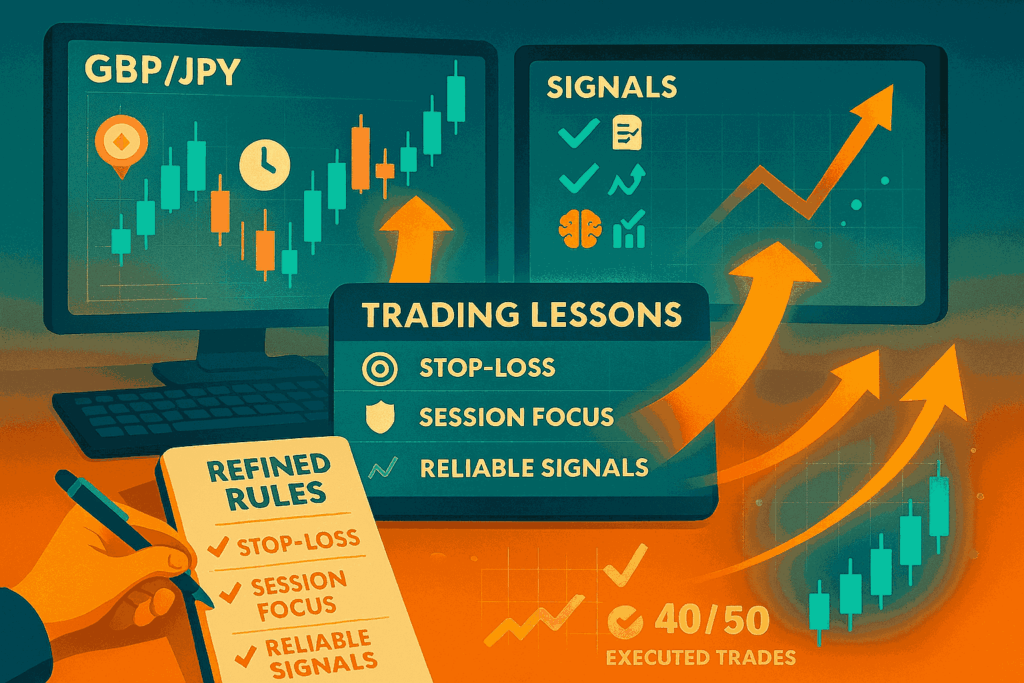
The accumulated data from 30 days provides a roadmap for refining GBP/JPY trading strategies:
- Focus on signals during high-liquidity sessions
- Maintain strict risk-reward and stop-loss rules
- Prioritize signals with historical reliability and contextual relevance
- Use the log to track psychological tendencies, such as overtrading or early exits
By reviewing the log at the end of each week, traders can adjust position sizes, refine entry criteria, and identify periods of higher probability setups. This approach transforms raw signal following into an actionable, disciplined strategy.
Conclusion

Tracking GBP/JPY signals for 30 days highlights that consistent logging, careful analysis, and strict risk management are the keys to turning signals into a reliable trading approach. By learning from both wins and losses, traders gain a clear picture of what works under various market conditions. Over time, this practice not only improves performance but also builds confidence and a deeper understanding of GBP/JPY behavior.